UX designer · Cincinnati, OH

UX designer with an engineering and Human-Computer Interaction background.

I research complex workflows, turn findings into clear product decisions, and prototype experiences that help people act with confidence.

Ben Momeni smiling in a botanical garden
Ben Momeni · UX designer and researcher

Three problems, three evidence-based design responses.

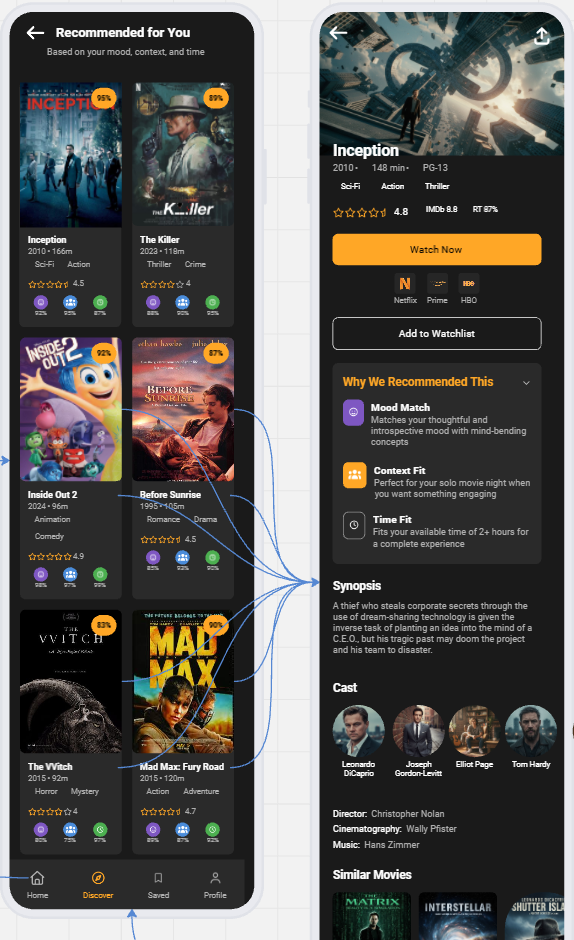
CineGuide mobile recommendation screens
01Individual UX project

CineGuide

Problem
Streaming recommendations often ignore what matters in the moment: mood, company, and available time.
Response
I designed a six-screen mobile concept that lets viewers set those inputs, compare a focused set of films, and understand why each title was recommended.
  • Problem framing
  • Interaction design
  • Prototyping
Read case study →
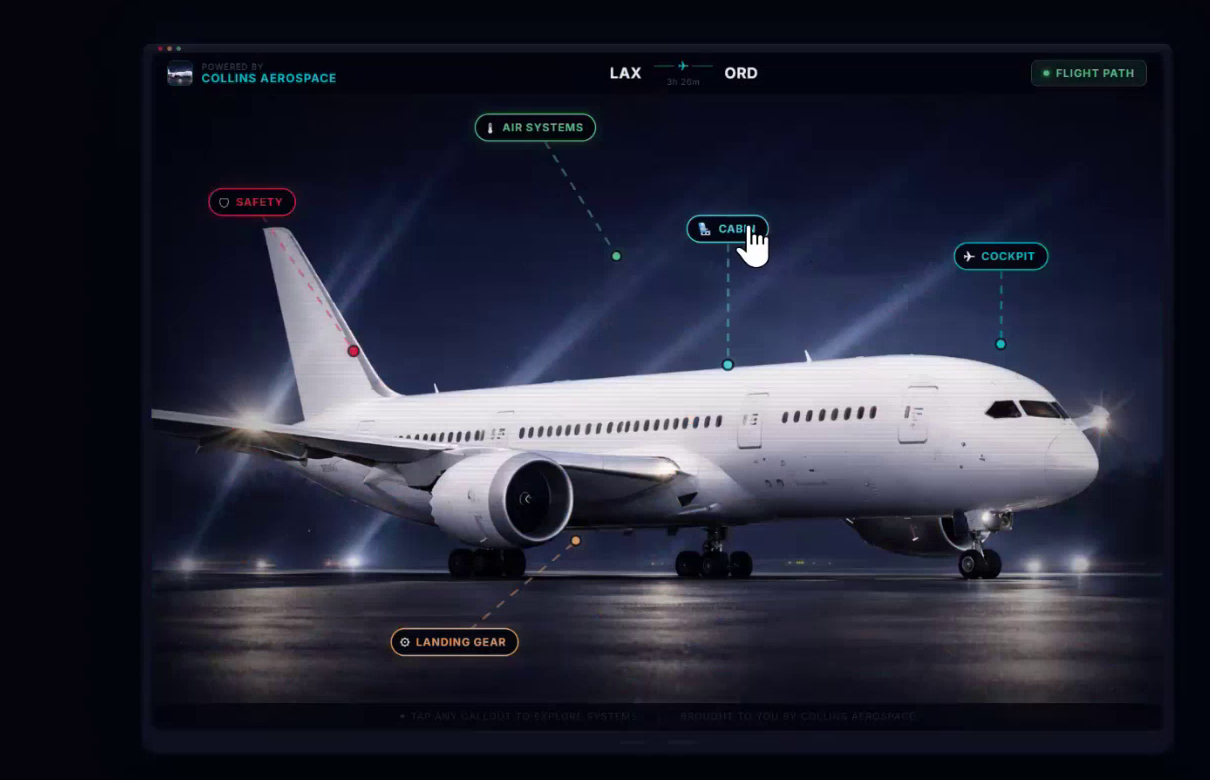
Interactive aircraft explorer showing Collins Aerospace systems
02Usabilathon 2026 · Team project

Making Collins Aerospace Visible

Problem
Passengers use Collins Aerospace systems throughout a flight but rarely recognize the company behind them.
Response
Our team designed an in-flight aircraft explorer and a post-flight content strategy to connect familiar passenger experiences with the Collins name.
  • Interviews
  • Synthesis
  • Journey mapping
Read case study →
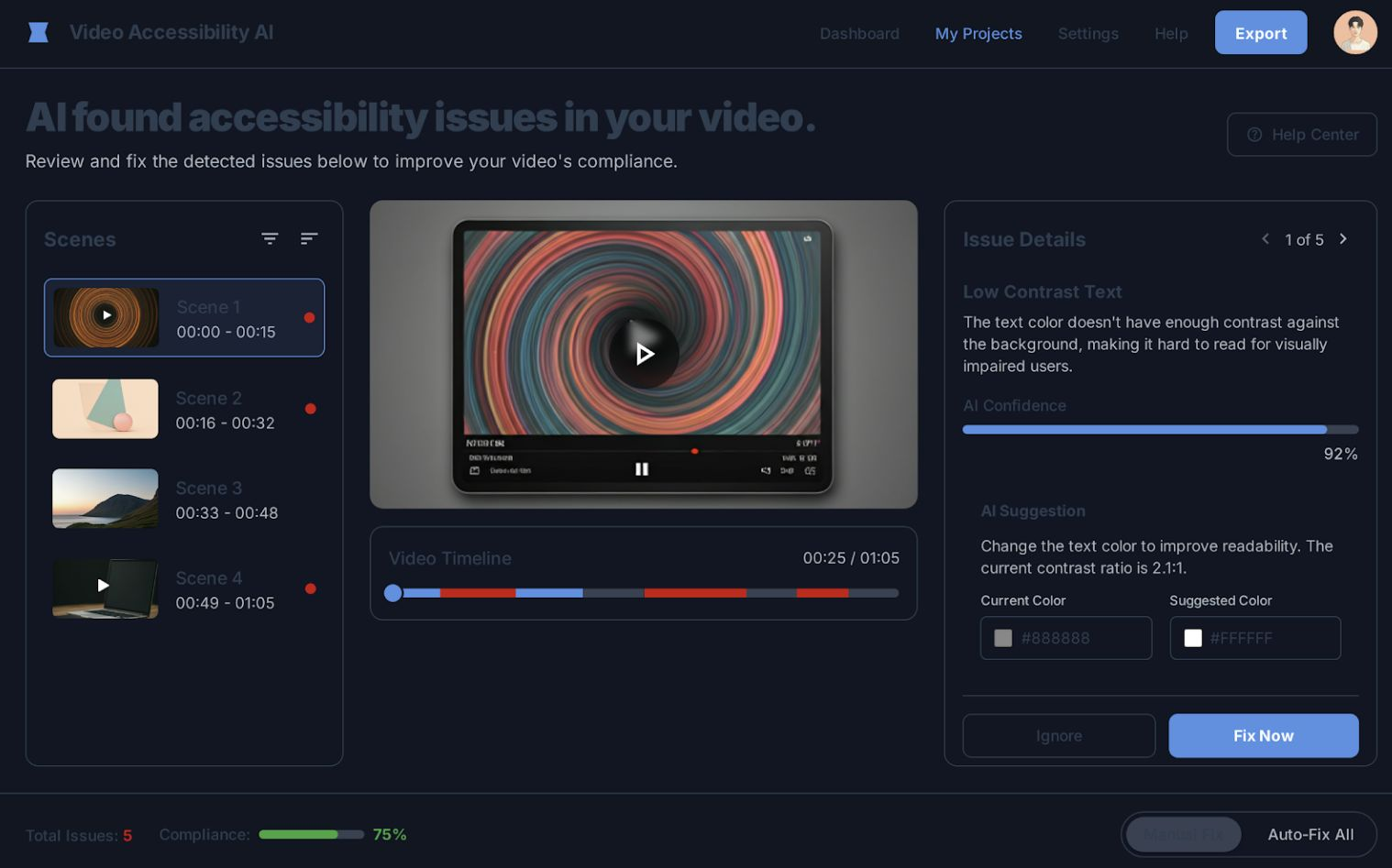
Video accessibility review interface
03HCI hackathon 2025 · Team project

Video Accessibility Assistant

Problem
University teams faced a large video-accessibility backlog, repetitive manual work, and inconsistent review processes.
Response
Our team created a human-reviewed workflow that detects issues, organizes corrections, and keeps final accessibility decisions with staff.
  • Needs analysis
  • Workflow mapping
  • Interface design
Read case study →

I connect research evidence to product decisions.

The process changes with the problem, but the reasoning stays visible: understand the people and constraints, define what the evidence means, then make and test the clearest response.

Engineering mindset, human focus

Engineering helps me understand technical constraints, dependencies, and how a product fits into a larger system. UX keeps the people inside that system visible. I use both perspectives to make solutions useful, feasible, and clear.

  1. 01

    Understand the system

    Learn how people work today, what gets in their way, and which technical or organizational constraints shape the problem.

    Stakeholder interviews · User interviews · Secondary research · Needs analysis · Workflow mapping

  2. 02

    Find the signal

    Turn observations into patterns, then use those patterns to define the audience, opportunity, and design requirements.

    Affinity mapping · Research synthesis · Journey mapping · Problem framing

  3. 03

    Make the response

    Translate the evidence into flows and interfaces that make the intended behavior clear.

    Information architecture · Wireframing · Interaction design · Accessible interface design · Prototyping

  4. 04

    Evaluate and refine

    Put the work in front of people, examine where the design succeeds or breaks down, and refine the next decision.

    Usability testing · Qualitative feedback · Accessibility review · Iteration

Engineering taught me how systems work. UX taught me to ask who they work for.

I’m a Senior Data Engineer at Great American Insurance Group and a master’s student in Human-Computer Interaction at Iowa State University. I’m especially interested in accessible tools, responsible technology, and products that make complicated decisions easier to understand.

Great American
May 2025–Present
M.S. graduation
Expected April 2027